Wednesday, March 19, 2025

Nikolai Shirmer’s New Film Isn’t About Skiing—It’s About Why We Do Anything at All

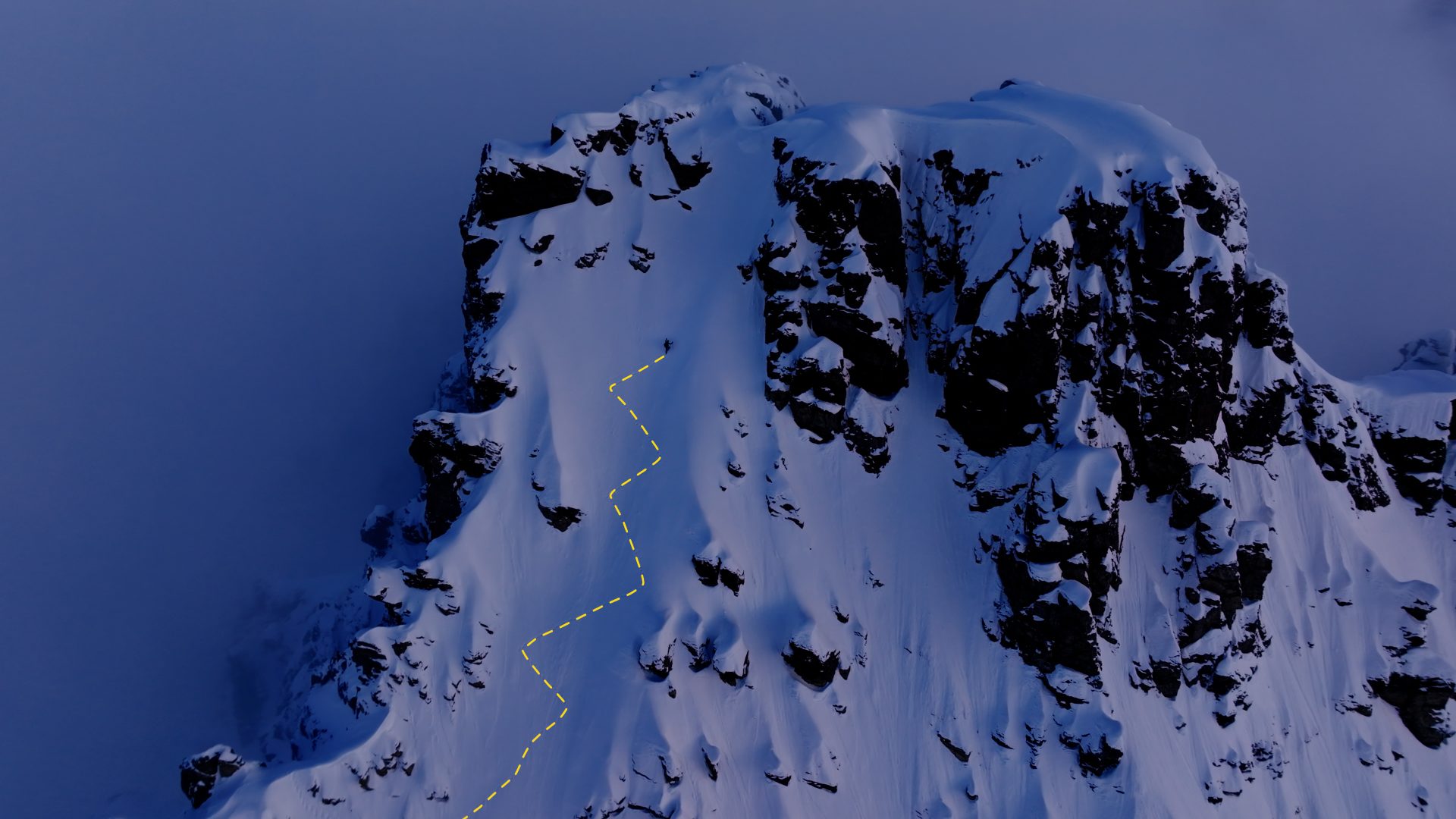
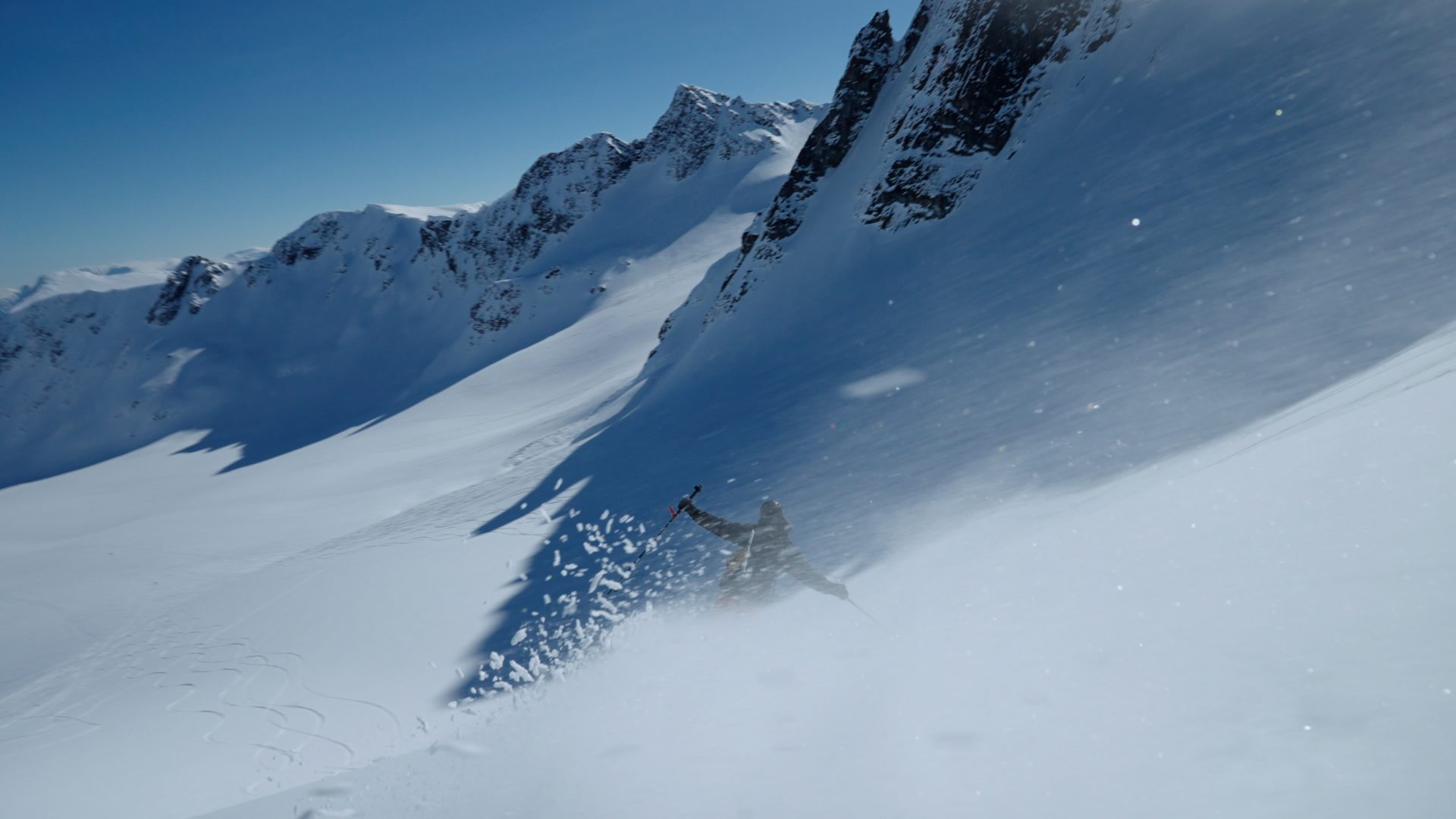
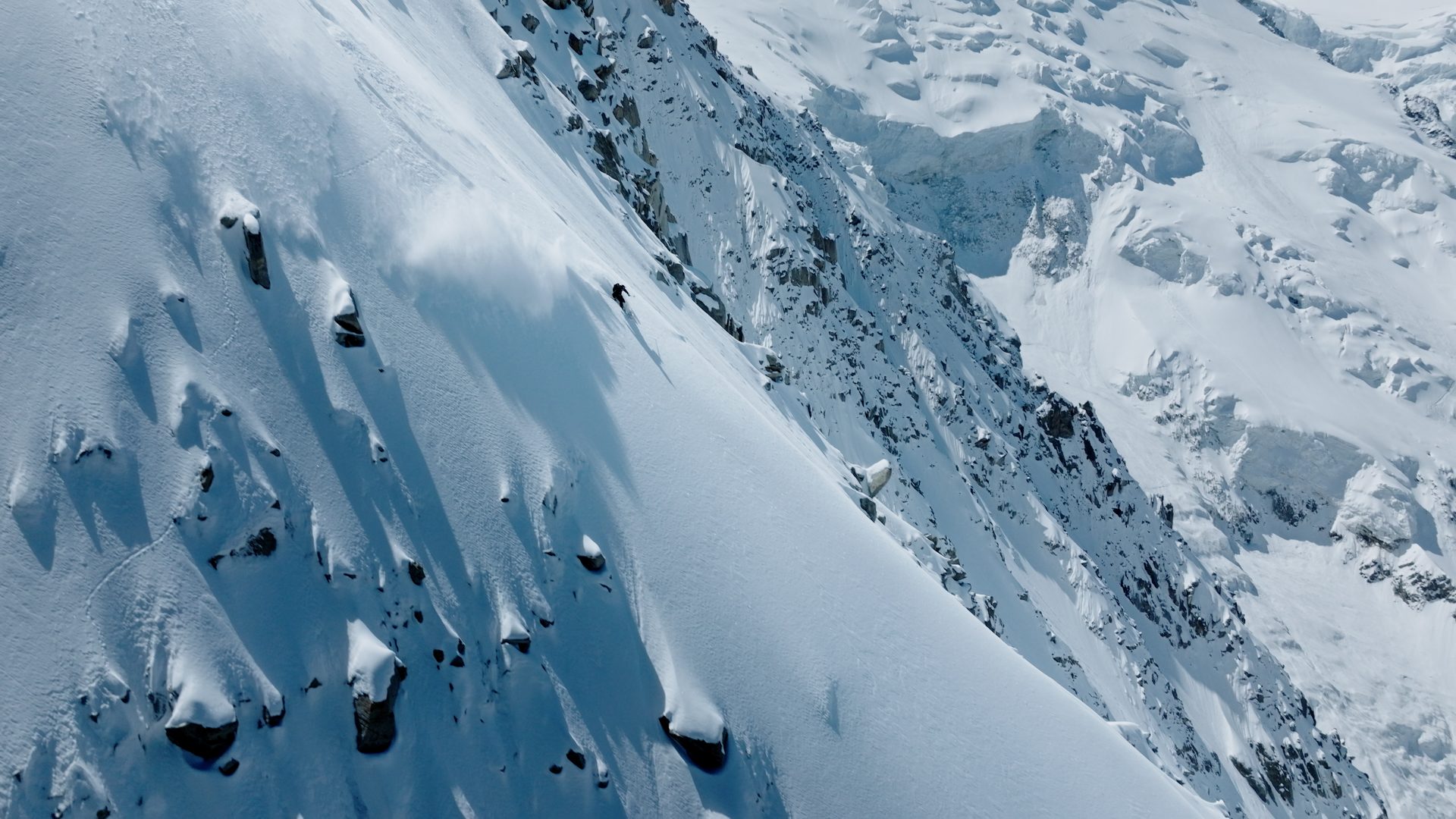
Nikolai Shirmer drops into one of his latest film’s most exposed lines with signature speed and control. | Photo: Nikolai Shirmer
 
 In an era of hyper-produced ski films and carefully curated Instagram clips, Norwegian skier and filmmaker Nikolai Shirmer is carving out a different kind of legend. His lines are steep, exposed, and breathtaking, often skied fast and clean with zero hesitation. But what really sets him apart isn’t just the terrain he chooses—it’s how he chooses to ski it: no ropes, no gimmicks, no safety net. Just skill, instinct, and a sharp eye for what’s possible.

Now, in his first feature-length documentary, The Greatest Ski Tour of All Time, Shirmer pulls back the curtain on his process, his past, and the philosophy behind it all. His latest project sold out its IMAX premiere in Norway in just one day and offers a rare glimpse into a life spent pushing limits with precision—not recklessness.
“I think it's risky in the same way that going into space is risky,” Shirmer says. “If any part of your rocket or your training is off, you're going to die. But you've gone through every step to make sure that's not going to happen. And then, of course, accepting the remainder of risk that will always be there.” For Shirmer, skiing high-consequence lines is about preparation, trust in his own ability, and a clear-eyed acceptance of what’s out of his control.

Shirmer’s path into skiing wasn’t a straight line—and it certainly wasn’t handed to him. He started young, obsessed not only with skiing but with storytelling. “I spent all my money on cameras as a kid,” he says. “Everything I wasn’t spending on skis went into gear.” Long before sponsorships, he was working as a filmmaker and photographer within the ski industry, often documenting skiers older and more established than he was.

It didn’t take long for Shirmer to realize he could ski just as well—if not better—than many of the athletes he was filming. “I thought, why not turn the camera on myself?” he recalls. That decision would reshape his trajectory. Rather than wait for someone to offer him a platform, he built one himself.

That self-made approach now defines both his skiing and his filmmaking. Shirmer’s videos stand out for their blend of bold skiing, raw documentation, and narrative control. His newest project marks a step beyond even that—his first feature-length documentary, clocking in at 95 minutes and premiering in mainstream theaters across Norway.
The film isn’t just a showcase of mountain objectives. It’s a layered story that contrasts Shirmer’s high-profile career with the quieter path of his childhood friend, Vegard, who undertakes a grueling four-day, 200-kilometer solo ski traverse. “We found skiing together,” Shirmer says, “but ended up living it in completely different ways.” 
 
That contrast—between external and internal, public and private, speed and solitude—provides the backbone of the film. Through it, Shirmer explores not only what skiing means, but how it evolves, diverges, and reflects the personalities of those who commit to it. His friend’s ski tour, initially just a personal mission, became the narrative scaffold Shirmer needed to tie it all together. 
 
Making the movie was a test of endurance in its own right. Shirmer spent six months editing, revising the introduction alone 14 times. “It was exhausting,” he says. “But also kind of addictive. You just keep pushing because you know what it could become.”

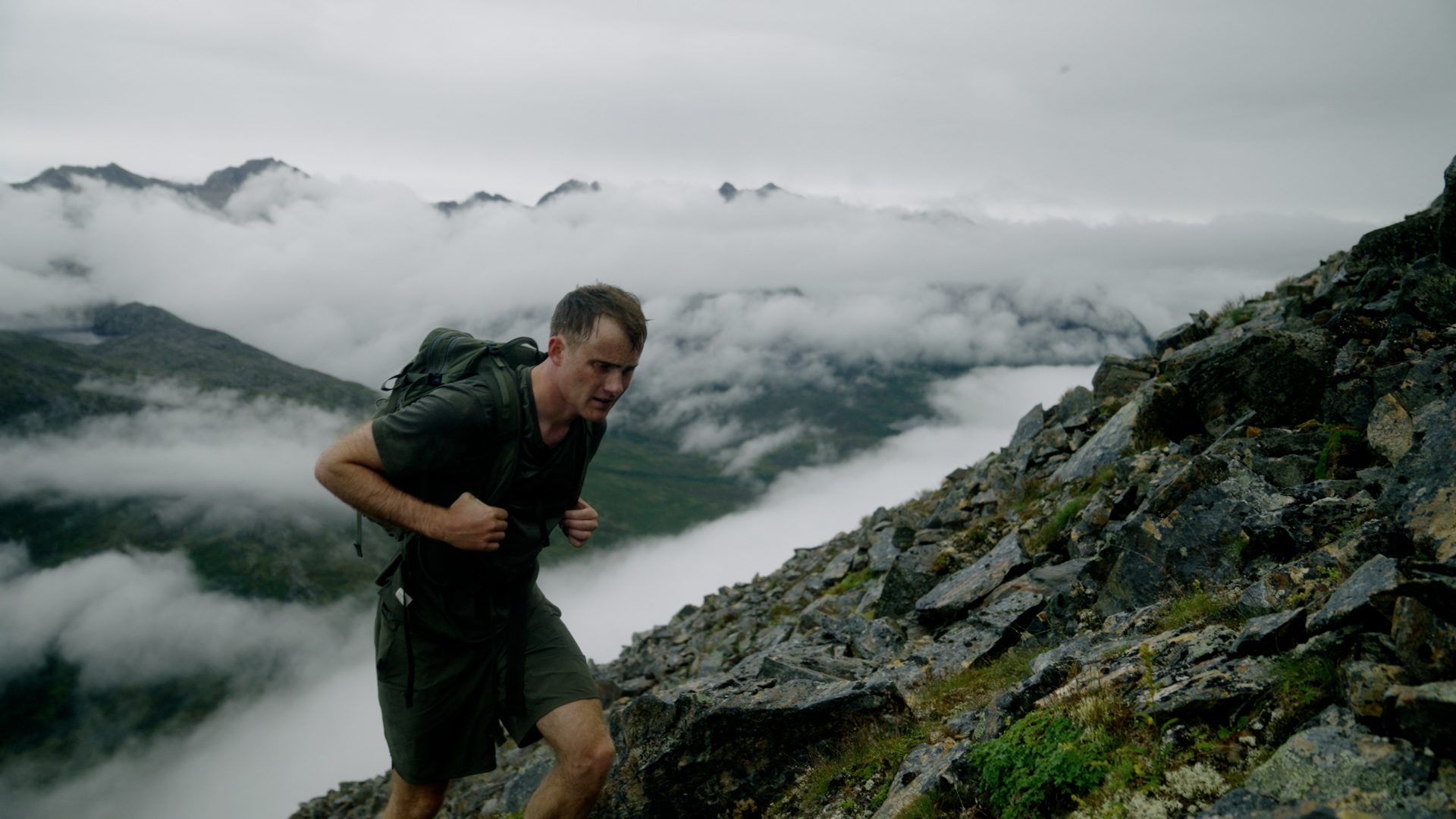
A still from the film shows an ascent route the film's protagonist Vergard takes in Norway's Lyngen Alps. | Photo: Nikolai Shirmer
 
Unlike most ski films, this one covers years of development—on snow, behind the camera, and in Shirmer’s mind. The challenge, he says, was keeping the story cohesive across time, geography, and tone. “I wanted people who know nothing about freeriding to understand why this matters,” he says. “To see the humanity behind the mountains.”

Bringing the film into mainstream cinemas was both thrilling and unnerving. “Now I’m not just being compared to other ski edits,” he says. “I’m being compared to actual movies. That’s terrifying—and kind of awesome.”

Despite the broader stage, Shirmer hasn’t strayed from his roots. His skiing is still defined by speed, commitment, and a minimalist approach. “I always say freeriding is ski mountaineering without ropes,” he says. “Not because ropes are bad—but because I want to move fast and light.”

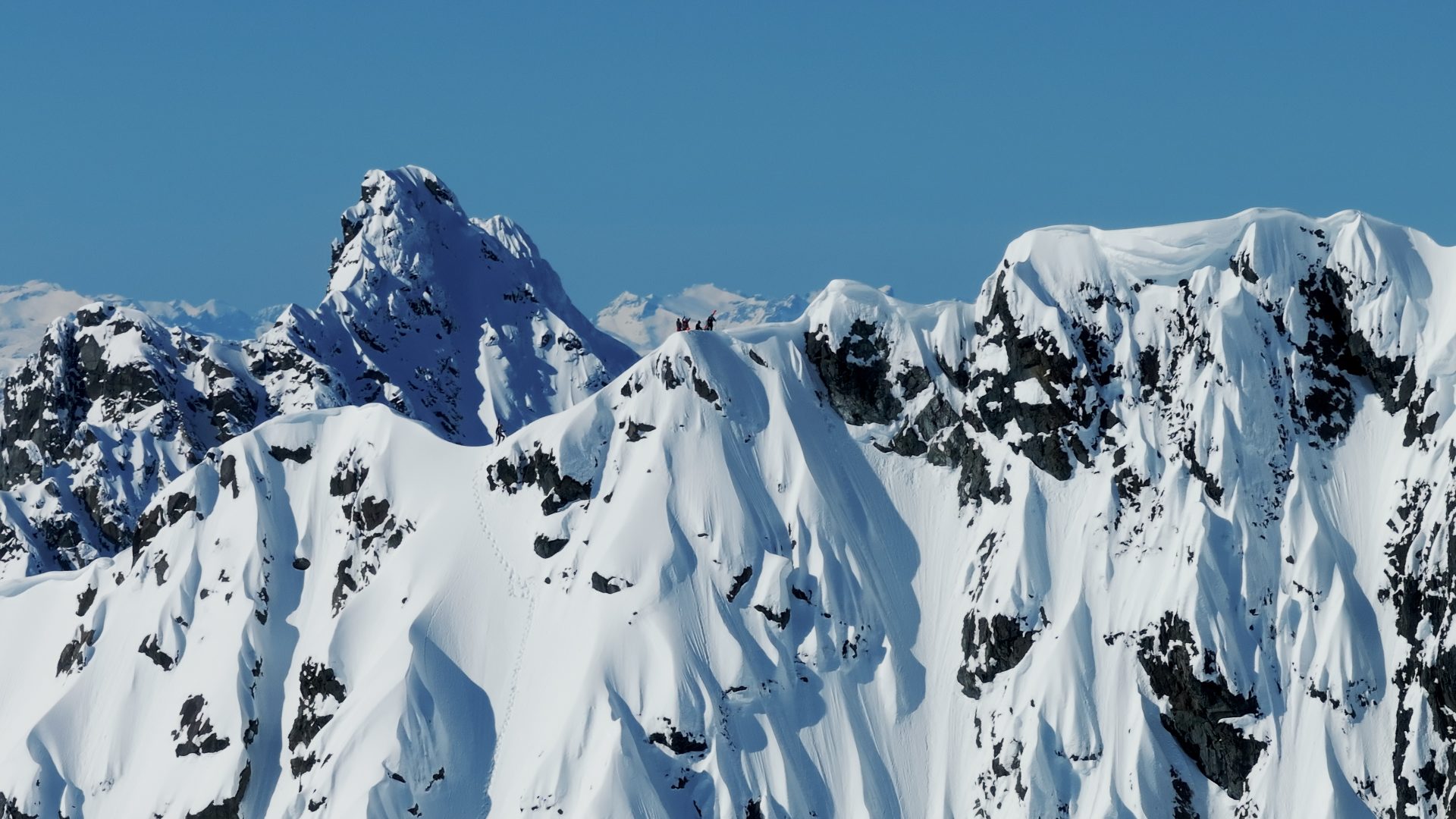
The film portrays well the vast scale of the mountains Shirmer operates in. | Photo: Nikolai Shirmer
 
That doesn’t mean he takes shortcuts. Every line is studied, every risk dissected. “If I don’t mess up, I’ll be fine. And I’m confident I won’t mess up,” he says. But he also knows that total control is an illusion. That’s where acceptance comes in—and why he compares it to spaceflight.

Some seasons test that mindset more than others. Heavy snow years with dangerous layers push the mental toll of risk assessment to the edge. “You’re always calculating,” he says. “And over time, that wears you down.”

When the snowpack is stable, the stress lifts. But the motivation doesn’t fade, regardless of conditions. “The pull never leaves,” he says. “The mountains are always calling.”

Shirmer’s monk-like approach to skiing is on full display in his latest film. | Photo: Nikolai Shirmer

That pull drives not just his skiing but his creative work. He wakes up with ideas—shots, edits, new formats, film structures—and chases them with the same intensity he brings to his lines. “It’s constant,” he says. “A flood of ideas every day.”

Managing that energy means surrounding himself with people who can match it—on skis and behind the camera. His crew is small but strong. “You need people who can get where you’re going, and still film something beautiful when they get there,” he says. “That’s rare.” In the mountains, he’s selective about who he rides with.

“You’re only as fast as the slowest person,” he says. “And I like going fast. I like jumping a crux rather than rappelling it.”

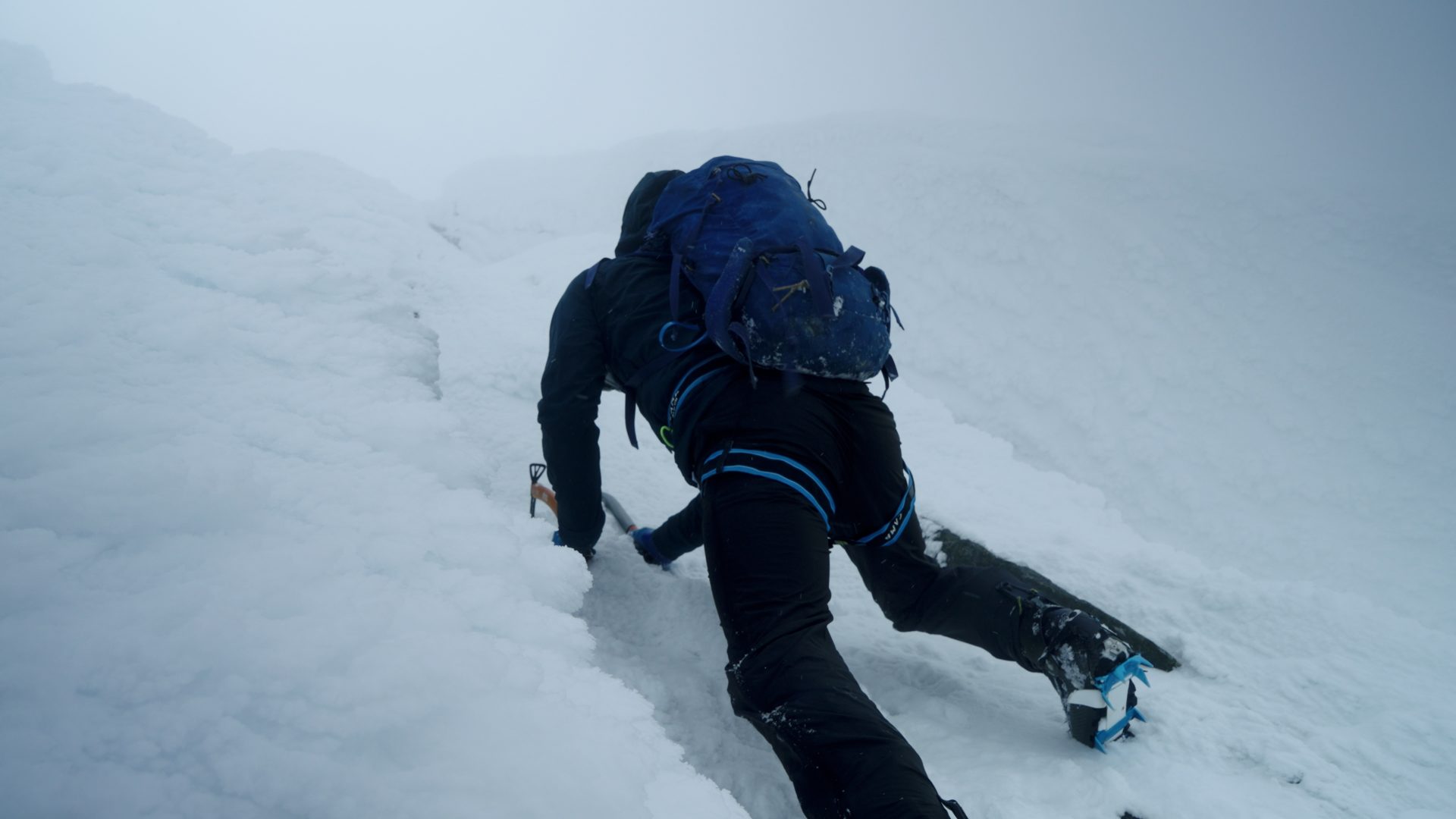
Climbing solo through complex terrain during a long push deep into the range. | Photo: Nikolai Shirmer
 
That distinct style—fluid, aggressive, efficient—has drawn praise from veterans like Griffin Post and Jeremy Heitz. “Heitz and I have talked a lot about it,” Shirmer says. “The goal is to ski the mountain—not survive it. To make it look clean. To make it feel right.”

Behind that precision is plenty of training, though Shirmer rarely broadcasts it:
“There’s this weird culture in skiing where you’re supposed to act like you’re not trying,” he says. “But we’re trying. We’re working our asses off.” 
Shirmer spends much of the off-season training for his daring ski missions. | Photo: Nikolai Shirmer
 
That message—that great skiing doesn’t just happen—is a core theme in the film. “Cody Townsend says it in the movie: we all pretended it was just for fun. But we were training like crazy. That needs to be acknowledged.”

Shirmer doesn’t sugarcoat the harder parts of the lifestyle. He’s been broke. He’s taken on too many projects. He’s burned out. But he’s always figured out a way forward. “I’ve had projects fail,” he says. “I’ve been in debt. But you look at the situation, and then you just do the thing that’ll fix it.”

He got his start by working supermarket shifts and saving every cent for ski season. “Total ski bum mode,” he says. “And I wouldn’t take any of it back.” 

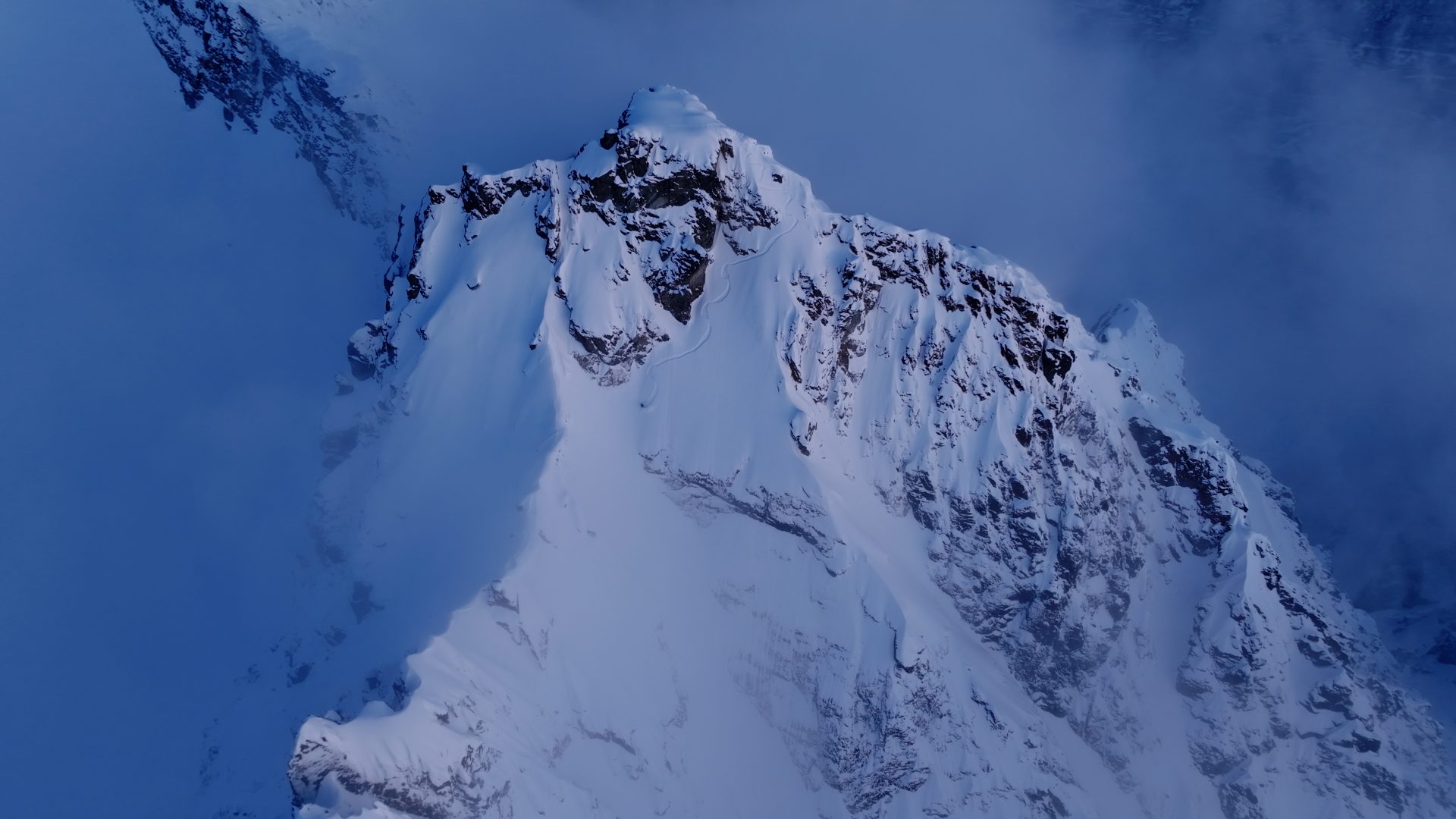
One of the many big lines tackled throughout the filming of The Greatest Ski Tour of All Time. | Photo: Nikolai Shirmer

Over time, that grind turned into a real business—but not because someone handed him a deal. “You don’t wait to get discovered,” he says. “You just go make something. If you want to be in a ski movie, make a ski movie.”

That do-it-yourself approach applies to his environmental advocacy too. One of his past projects cut emissions by 75% while increasing revenue by 400%. “You can make a difference and still have fun,” he says. “It’s not either-or.” Now, Shirmer is scaling back—just slightly. After the intensity of making his first feature doc, he’s leaning toward shorter, lighter YouTube projects. “I want to stay inspired,” he says. “I want to keep skiing and keep it fun.”

Precision turns on steep, technical faces define Shirmer’s freeride style. | Photo: Nikolai Shirmer
 
His hope is that the film, and his broader body of work, encourages others to go for what they want—no matter how unlikely it seems. “If someone watches a video and books a flight to go chase a dream, that’s success to me,” he says. 

He pauses, then adds, laughing: “Also, don’t make a feature documentary unless you absolutely have to. That shit will eat your life.”
 
Still, he wouldn’t change a thing. “There’s no good reason to do this,” Shirmer says. “Except that we love it. And that’s reason enough.” 

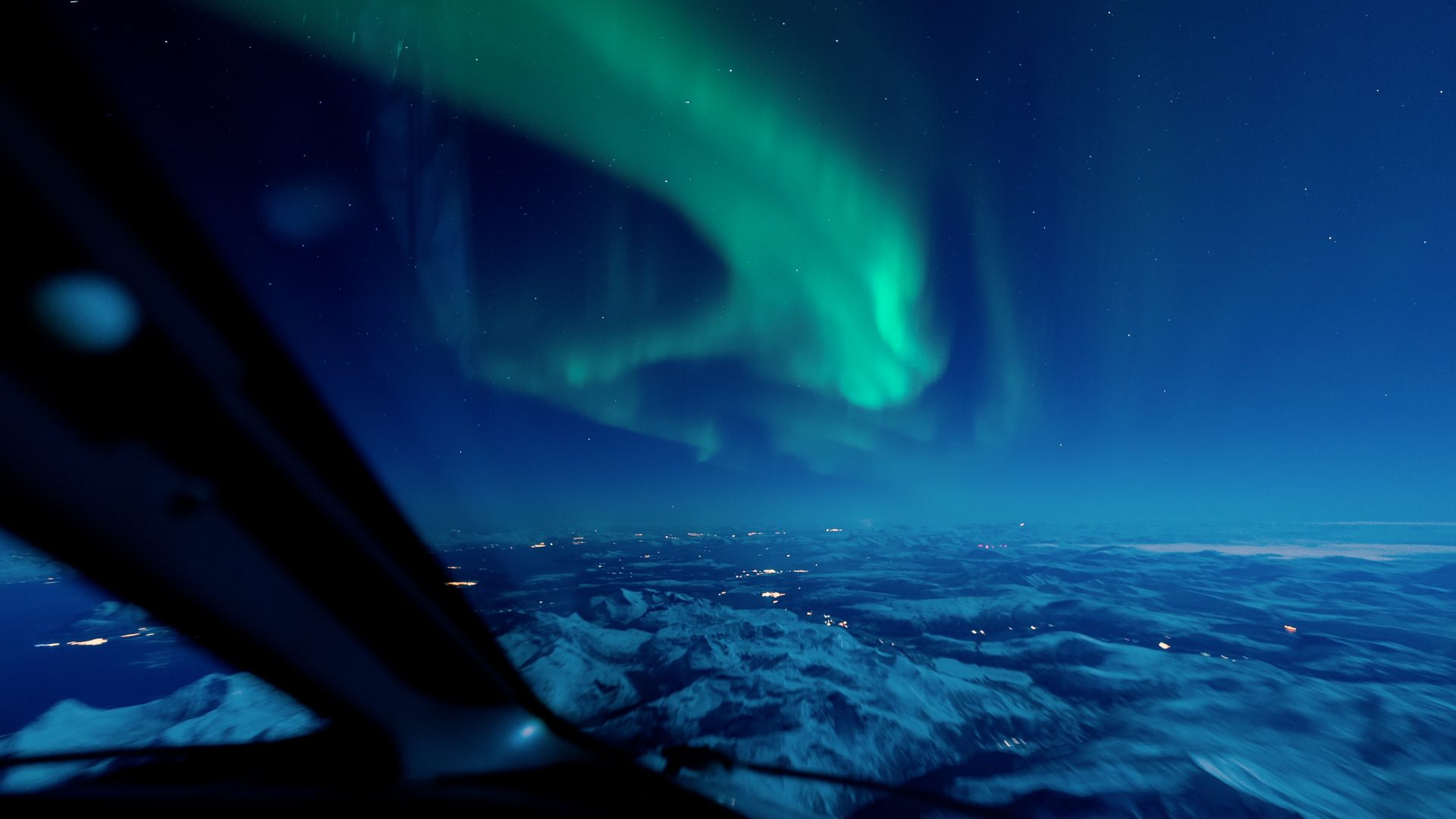
The northern lights cast color over a landscape shaped by risk and reward. | Photo: Nikolai Shirmer
 

Vail Buys World

Vail Resorts is expanding its portfolio. 

Planet Earth to Be Renamed “Vail Global Alpine Experience™” by 2026

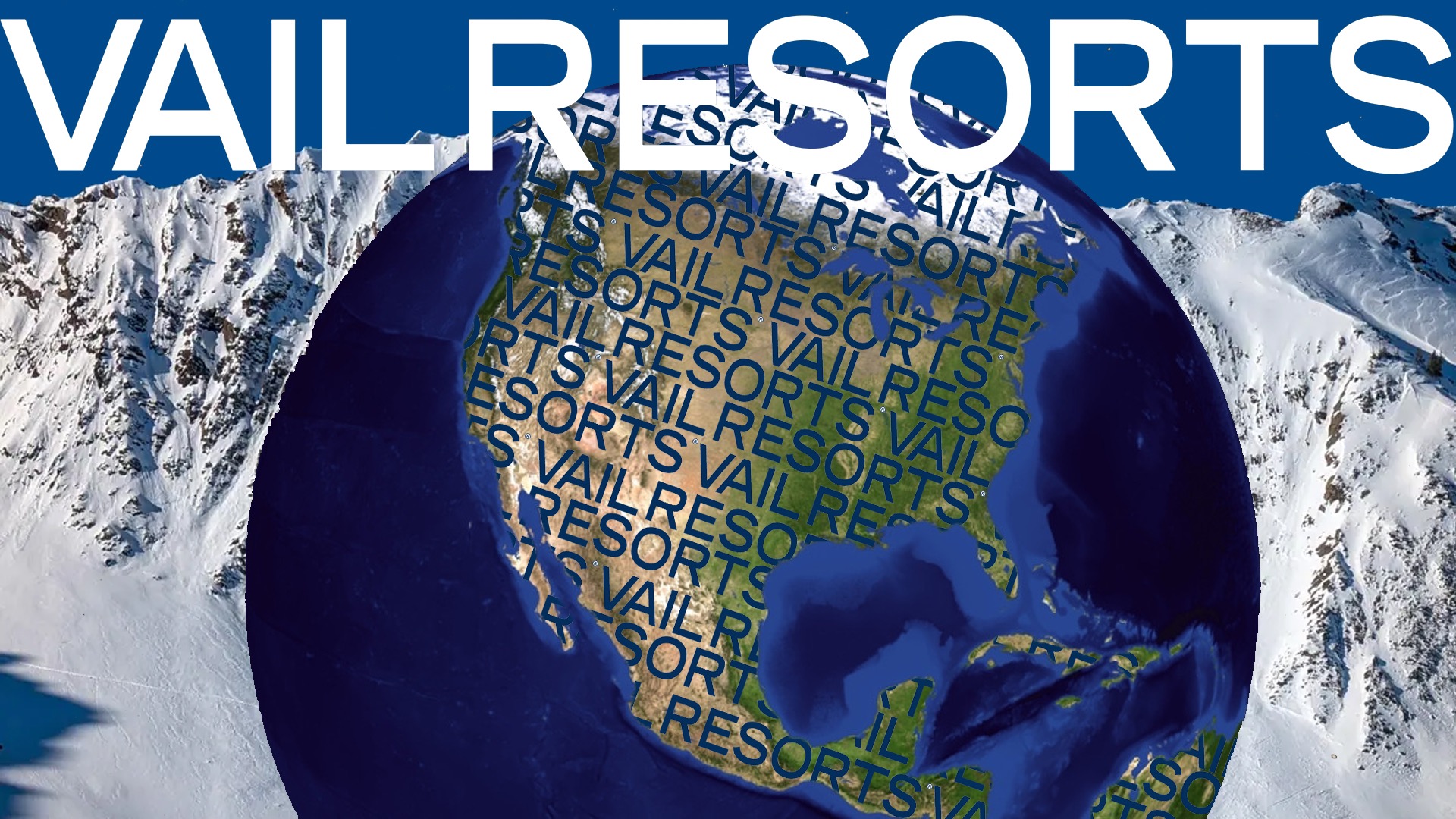
In a shocking but ultimately unsurprising development, Vail Resorts has officially completed its acquisition of planet Earth, cementing its position as the dominant force in both the ski industry and terrestrial ownership in general. The $128 trillion deal, which includes 100% of Earth's lifts, terrain parks, natural resources, and "all usable terrain above 1,000 feet of elevation," was announced Wednesday morning via a press release.

“We’re excited to welcome Earth into the Epic family,” Vail Resorts CEO Kirsten Lynch said. “This acquisition represents a bold leap in our mission to bring seamless, corporately optimized alpine experiences to every corner of the globe, including those that were previously unaffiliated with winter recreation, capitalism, or lift tickets.” As part of the transition, Earth will undergo a series of “infrastructure enhancements,” including dynamic lift pricing for all human activities, RFID gates at national park entrances, and the replacement of all non-branded oxygen with Vail Air™, a proprietary blend of nitrogen and shareholder value.

Industry analysts say the writing was on the wall when Vail purchased Crans-Montana Mountain Resort in Switzerland in May 2024, quietly acquiring the lifts, retail shops, ski school, and 11 mountain restaurants, along with several cowbells and an undisclosed number of yodelers. In 2022, Vail had already secured a majority stake in Andermatt-Sedrun, another iconic Swiss ski destination. Locals initially celebrated the improvements to lifts and snowmaking, unaware that by 2025 they’d be paying $17 for a single schnitzel and required to scan a pass to access their own homes. “It started when they installed RFID scanners at the church,” Hans Münterflausen said, a lifelong resident of Andermatt who now identifies as a “Tier 3 Epic Rewards Subscriber.” “Now I need a reservation to walk my goat.”

Global Expansion Accelerates

With the European Alps firmly in its grip, Vail set its sights higher—specifically, at the planetary level. Insiders say negotiations with Earth’s shareholders (the UN Security Council and Jeff Bezos) began in late 2023, with final approval granted in exchange for lifetime Epic Passes and preferred gondola boarding during climate collapse. Effective immediately, all global activities will now require either an Epic, Epic Local, Epic Global Max, Epic Earth Ultimate Premier Reserve, or Epic Microtransaction Access Pass™. These will be available in tiers, priced between $1,500 and $249,999 per fiscal quarter, depending on how close you live to a mountain and how many vowels are in your last name.

Epic Pass Earth Ultimate Premier Reserve. 

“This isn’t just about skiing,” Lynch clarified. “This is about reimagining the human experience as one continuous, branded uphill journey—with optional add-ons.”

Terrain Access Changes

Beginning next winter:

  • The Andes will be rebranded as Vail South America and made 42% more expensive to locals.
  • All Everest ascents must be booked through Epic Mix™. Sherpa upgrades will be offered at checkout.
  • Antarctica will be developed into a luxury ski-in/ski-out village called Vail Ice, featuring a heated gondola from sea level and a gondola-accessible Whole Foods.

Meanwhile, non-mountainous regions of Earth are being evaluated for potential terrain expansion. Rumors suggest Vail is considering the construction of a vertical people-mover in Nebraska and a snowmaking test facility on the Great Barrier Reef, tentatively called Epic Coral™.

Resistance is Futile (and Ungroomed)

When asked if there would be room for independent ski areas under Vail's new planetary regime, a spokesperson laughed for 11 straight minutes before saying, “Only if they’re scenic enough to acquire.”

Not everyone is on board. A ragtag alliance of ski bums, hut-dwellers, fading pro skiers, "content creators," and a retired French lifty named Gérard have formed a resistance known as The Ungroomed. Operating from a secret base in an unlisted sidecountry bowl, they hope to organize opposition via analog trail maps and handwritten avalanche reports. Still, their future looks uncertain.

“There’s an Epic-branded snowcat parked outside my yurt,” one anonymous Ungroomed member said. “I think they’re offering me a buyout.”

Looking Ahead

Despite criticism, Vail remains bullish on the future of planetary branding. “Our vision is clear,” Lynch said. “To provide unparalleled, fully monetized experiences from the moment you wake up in your Vail-branded smart bed until you check into the après bar on Mars.”

Vail Resorts stock closed up 14% following the announcement. Shares are expected to climb further once the Milky Way IPO's later this spring.

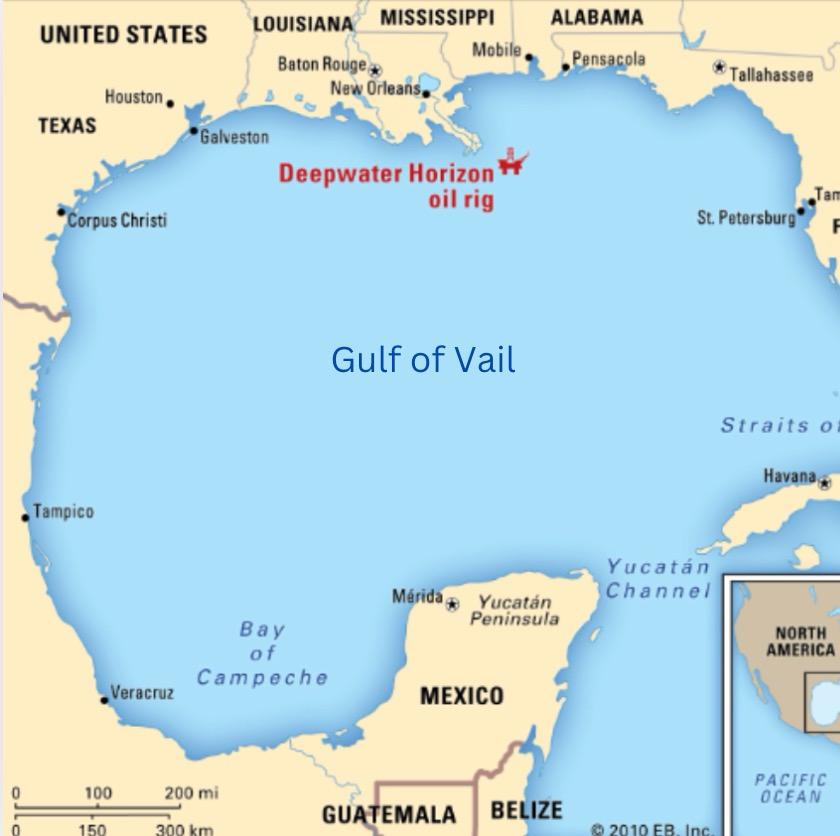
Gulf of Vail. 

---

Correction: A previous version of this article stated that Earth was sold for $128 trillion. The actual figure was 2,100,000,000,000 Epic Points™ plus three complimentary ski weeks for the International Monetary Fund (IMF).

Monday, November 28, 2022

How Chris Benchetler Turns Skiing into Art
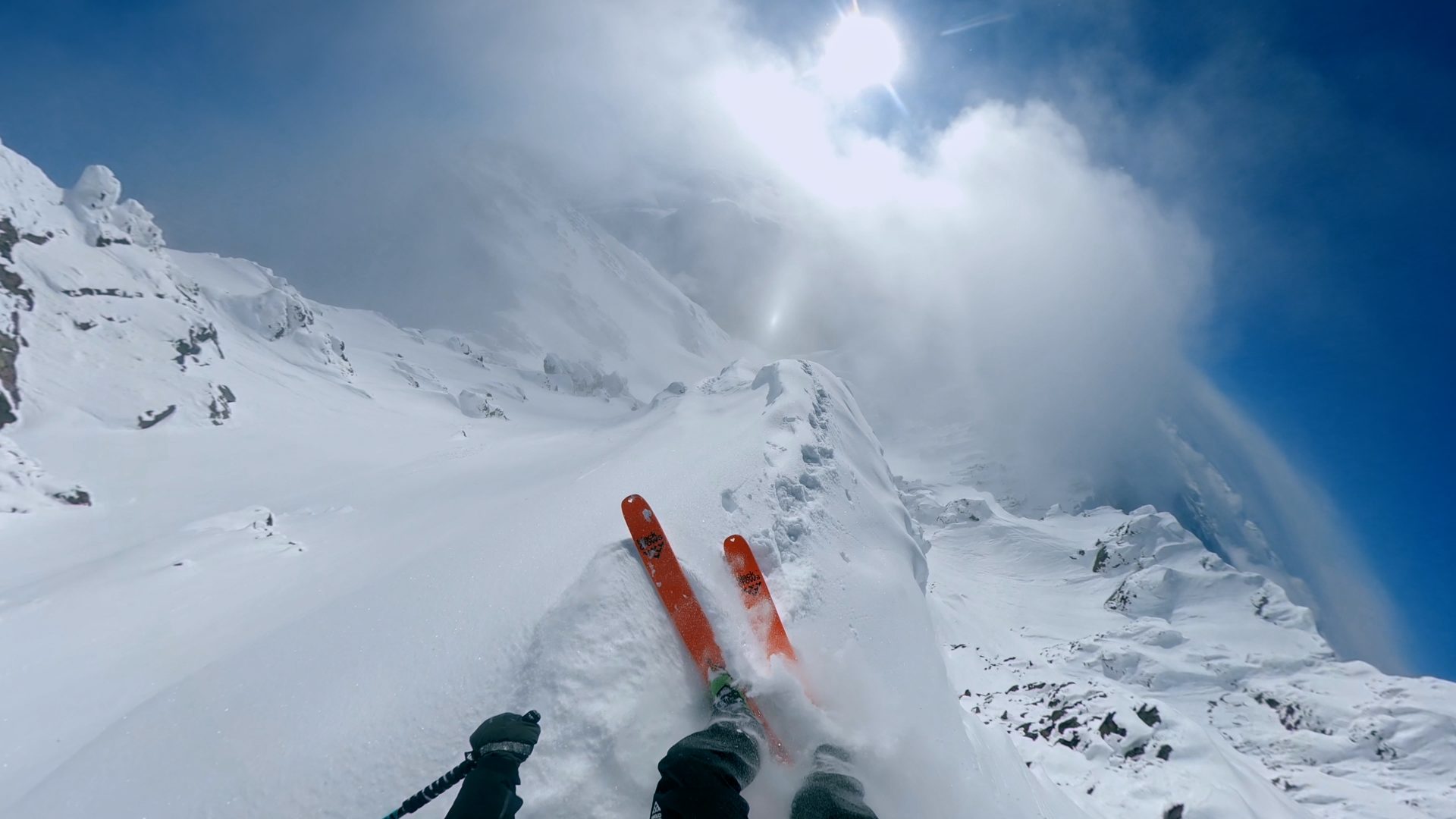
An artistic shot created by Chris Benchetler in his 2019 film, Fire on the Mountain. | Screengrab from Fire on the Mountain.

The dozens of canvases cluttered in Chris Benchetler's art studio at his Mammoth Lakes home give an impression as if you had just walked inside a small temple where the walls were melting, oozing every possible mixture of color imaginable. The canvases are all sorts of different shapes and sizes; some are hanging up on the wall, tilted or upside down, while others are stashed away in the corner between boxes of paint and art supplies. A cool September breeze gently sways the pine trees visible from the studio's window. Between balancing time raising two young boys, working on several original art commissions, serving as Creative Director for Atomic Skis, supporting a wife battling cancer, and still finding time to go outside to ski, bike, or climb daily, going to the studio to make art is no small task for Benchetler. Yet, he still manages to find the time and show up every day.

"I view art—and skiing and rock climbing and all the things that I try to do on a daily basis—as a form of meditation. You're looking inward when your painting and you're really expressing yourself in that moment in that space and time."

Chris Benchetler’s Mammoth Lakes art studio. | Photo courtesy of Chris Benchetler Twitter

The inspiration behind Benchetler's art comes as the culmination of the 36 years he's spent on this planet, with a strong influence from nature, he told me. When I spoke with Benchetler on the phone one fresh autumn morning he was sitting in his backyard under a pine tree, taking a break from painting. The Mammoth Lakes, California, local is best known for his career as a professional skier and his line of Atomic Bent Chetler skis, which he helped create and continues to produce the renowned psychedelic artwork for. He's a master of his craft, having practiced it since the early days of his childhood.

Benchetler has been both a skier and an artist since before he could remember. He has a humble beginning on an alpine racing team as a young child and was always doodling and drawing on his school homework, he says. He entered local art competitions in elementary school, even recalling that once he won a stuffed animal as a prize at one of those contests. At 15, he was a professional skier who would soon appear at the X Games. By 22, he helped launch the first line of Atomic Bent Chetler skis, which have since become one of the most popular ski models on Earth. Now at 36, he's the director and star of several ski films and creator of a myriad of commissioned original works, from public murals to digital art. He's descended extremely technical big mountain lines in places like Alaska with an ease and style that's uniquely his own, often resembling something more of a big wave surfer than a freeride skier. He's also got a van that he once lived in, using it to travel around North America chasing powder. The side of it is painted with his own artwork.

Working with Atomic Skis, Benchetler helped create and launch the Bent Chetler ski in 2008 as his first professional art commission. Every year since, he and Atomic have showcased a fresh layer of signature-style graphics on the latest model of Bent Chetlers, summoning the imagination drawn from a life spent playing in the mountains. Just like with his skiing, his artistic style is uniquely his and is easily recognizable at first glance by almost anyone who skis or snowboards. The flow of creativity never seems to cease, and year after year he keeps bringing to the table new, mind-captivating designs for the Bent Chetler ski and his own artwork.

Chris Benchetler lays out a spin in the backcountry. | Photo courtesy of forecastski.com

When flowing down a mountain in fresh powder, pillars of white pouring over him as he maintains his speed, Benchetler says he feels a sense of connectedness. This is often where he gets the inspiration for his art, which gives viewers a perception of something flowing: something that is moving and breathing—that is alive. "From the soil to the trees to the plants—everything on this planet is connected," Benchetler told me. "Spending as much time as I do in the mountains has really helped me experience that firsthand."

Benchetler doesn't go out to ski a line because he thinks someone will like it. This same philosophy applies to his artwork. He does these things only to express himself as freely as possible—to push himself further, physically and mentally, without delegating any energy towards impressing an audience. This rids him of any self-imposed handicap, allowing him to express his vision purely.

Chris Benchetler creates his signature ‘Old Man Winter’. | Photo courtesy of Rolling Stone

Skiing and art provide the same emotions, Benchetler says. When he flows on the mountain, he takes that feeling of flow—that feeling of creative freedom—and applies it to the way he mixes his colors, strokes his paintbrush, and crafts one of his works. That feeling inspired by nature is used to express what is inside of himself in a blend of dripping color. You can physically see this palpable state of flow by looking at any one of his pieces, like the ones incorporating Old Man Winter that show an aged mountain spirit fused together with mountain scenery or ocean waves, with no clear distinction between where one subject ends and the other begins. At the time of our talk, Benchetler was working on several different paint pieces in his studio. Having dabbled with a little bit of everything he says, acrylic is his go-to and he's a big fan of watercolors. "Oils are great, too, but time-consuming."

As an artist, skier, human being—Benchetler believes it's important to never stop learning; to flow with the river of change rather than try and fight it. This mantra is exactly what led him to create his first ever Non-Fungible Token (NFT), or digital artwork, which Benchetler says is just another extension of the art world we live in. "To think back to when the internet was first being developed and all the photographers I worked with that were completely against going to digital cameras and all the cinematographers that didn't want to stop shooting with 16 millimeter, and then technology just happens. There's so much of Web3 that I do not understand, but it would be naive for me to think that it would not be part of our future."

Like the strong theme of community that surrounds the music of the Grateful Dead, which Benchetler has proclaimed his love for via his art and even a Grateful Dead-inspired ski film, Fire on the Mountain, his works are there to inspire whoever looks at them. By illustrating his own mind's eye depiction of the beauty surrounding the natural world, Benchetler believes he can incite in someone else that same sense of wonder. His art is there to encourage and captivate but also motivate.

On his website, there is a line of text that stands out. "When you tap into your mind, the right line always reveals itself…on the mountain and on the canvas." In a world that more and more seems to promote disconnectedness from mind and spirit, there are still those like Benchetler that give a visual snapshot of what tapping into your mind looks like—on the mountain and on the canvas. But there's a secret to this powerful statement. Tapping into your mind and finding your flow, feeling true creativity—it's not only possible by seasoned professionals or the spiritually inclined like Benchetler. Anybody can do it. You just have to be open enough to access it.

Wednesday, September 7, 2022

Opinion: The Proposed Little Cottonwood Canyon, UT, Gondola System is a $500 Million Bandaid


Illustration of the proposed gondola. Credit: gondolaworks.com

A week ago, the Utah Department of Transportation declared the proposed Little Cottonwood Canyon gondola system as its favorite solution for the tedious traffic that gridlocks canyon travelers every winter. Most of these powder-hungry skiers and snowboarders are traveling to Snowbird and Alta, where the gondola will drop off passengers who board at the to-be-constructed La Caille Base Station at the mouth of the canyon. The project is a massive undertaking; once said and done, the half-a-billion-dollar investment will result in one of the world's longest, most advanced gondola systems, spanning over eight miles from the entrance of the canyon to world-class ski areas Snowbird and Alta. Once the current 45-day public review period ends, construction of the project can begin and will likely take several years. Click here for the Final EIS Summary Fact Sheet.

"[The gondola] is the most reliable mode of public transit in variable weather conditions and best meets the reliability goal of the project's purpose, while taking into consideration environmental impacts, public input, and overall life-cycle cost in comparison to the other four alternatives." - UDOT

To get the gondola rolling, they'll need to build A.) a giant parking garage and tram loading facility at the base of the canyon, B.) a gondola system with giant lift towers running the length of the canyon, and C.) receiving ports at Alta and Snowbird. Once that happens people won't have to drive up the canyon to get to Alta and Snowbird. But what about those who still want to go up the canyon but not all the way to the resorts?

The local backcountry skier is not served by the gondola unless they want to start touring out of the town of Alta. Even so, they'll still likely have to pay to use the gondola to get there. But isn't the point of going backcountry, at least for some, to avoid all the resort happenings and get out into the mountains on your own accord—on your own dime? The White Pine Trailhead or any of LCC's classic backcountry trails that access its legendary, ski-to-the-highway terrain which consists of several thousand-foot runs of steep backcountry skiing all land before the gondola's two drop-off points. How is a gondola going to serve any backcountry user wanting to go to any one of those popular zones other than by giving them an eyesore when they're skiing down and see a giant metal lift tower poking out of the surrounding scenery? And how about the quiet of the canyon that actually makes it a 'canyon', and not another parcel of man's development?

Little Cottonwood Canyon is gorgeous in the summertime; it's a great spot to hike or sit around and reflect—a refuge from the hustle and bustle of a valley of over 1 million just a couple miles away from it. I frequent the canyon and its accompanying creek. I spend time there in the summer to get out of the city and be in nature, even though civilization still encompasses me on all sides. It's a nice spot that keeps a certain spirit of nature alive, even if I'm pretending Salt Lake City isn't only a few minutes' drive down the highway. But with gondola towers poking out of the earth and stabbing several hundred feet into the sky, there will be no more pretending.

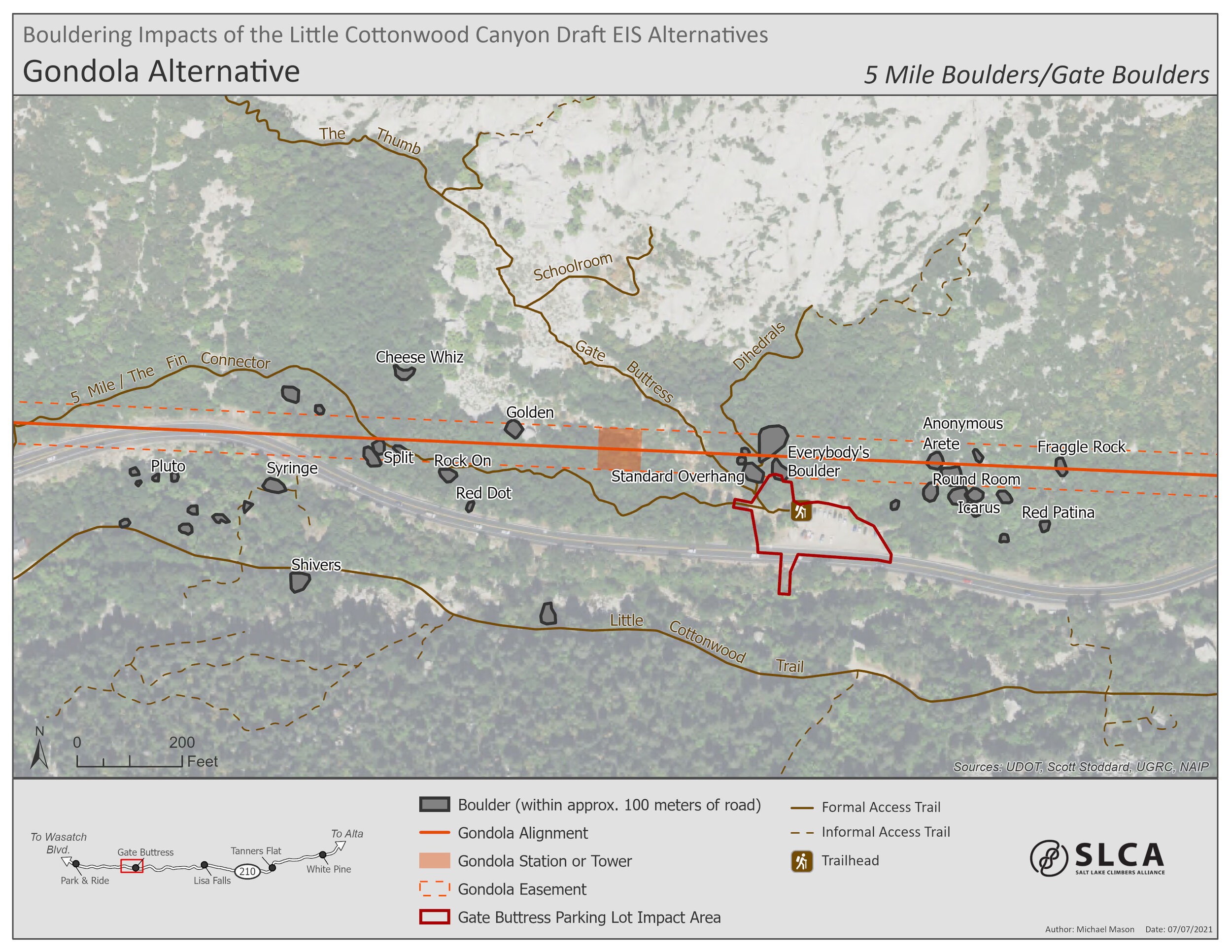
And what of the climbing, hiking, and even backcountry skiing areas that will be permanently altered by man's intrusion to obtrusively float himself through the sky and mountains to the ski area, where he'll likely still be waiting in line on a powder day? Local climbing advocacy group Salt Lake Climbers says that the gondola will "involve the destruction and/or removal of irreplaceable and historic world-class climbing resources," and that the machinery only serves some user groups and only in the wintertime. These climbers argue that the gondola would degrade the canyon's top-shelf climbing areas. I am a climber who often climbs in LCC and I can resonate with this sentiment. Also, some backcountry ski runs—no, every backcountry ski run that ends with a shot of the highway—will be changed forever. Where once a cool vibe and sound of a breeze could be heard there will be a noisy, tumultuous gondola system.

This map shows the bouldering impacts of the Little Cottonwood Canyon gondola alternative. | Photo courtesy of saltlakeclimbers.org

So, if the gondola decreases the time it takes to get to the mountain, then that means more skiing for everyone and less time waiting around, right? I'm not convinced. According to Gondola Works, a group started by Snowbird that is in strong support of the gondola, it would take an estimated 30 minutes to get passengers from the proposed La Caille Base Station to Snowbird, and then a few minutes more to Alta. But did they mention the lines that will accumulate at the base station, and how much of a mess traffic will be down there, in the part of town where people actually live? Say it takes 30 minutes to wait in line to board the gondola, another 30 minutes to ride it, and then now with the extreme efficiency of people being able to get to the ski areas there are—oh!—more, even longer lines at the ski area's ticket offices and lifts. These are concerns I've yet to see UDOT publicly address. Also, I'm curious to see what portion of the project's funding the primary benefactors Alta and Snowbird will contribute, along with the taxpayer, because a 2021 estimate for the gondola forecasted the project would cost roughly $592 million, if not more. Where (who) will that cash be coming from?

UDOT estimates the total capital and maintenance cost estimates for each project through 2053 to be $724 million for the eight-mile-long gondola. However, many critics are skeptical of this estimation and insist that it could actually end up costing much more. This is because the estimate was made prior to the current rate of inflation and didn’t factor in the rising cost of construction materials like steel and concrete. As history has shown, large, unique, and complex construction projects, like one in a tight canyon and pristine nature area such as Little Cottonwood, can easily run significantly over budget. When things like cost overruns, delays, inflation, or earthquake mitigation are factored in, the cost of either proposed option could run upwards of $1 billion or more—expenses that traditionally affect the state’s taxpayers directly. And, with an expensive project like this and resorts spending big money to create gondola car receiving ports, it wouldn't come as a shocker if daily lift tickets and season pass prices went up at Snowbird and Alta. I think I can speak on behalf of the local community as well as skiers and snowboarders everywhere that no one wants pass prices to increase.

The proposed eight-mile route for the LCC gondola. | Photo courtesy of gondolaworks.com

Yet, all of that doesn't even mention the most important question of all, one that's even more important than the impact such a project would have on its environment and revenue gain—the one that asks how long would this project would last before the gondola itself becomes inefficient due to the rapidly growing population of the Salt Lake Valley. Just how long would it take for UDOT to get thrown back to the drawing board and have to spend another few hundred million? One can't help but wonder how long exactly this gondola would keep traffic at bay. 20 years? 15? 10? Is it worth spending a potential billion dollars to haphazardly patch up an issue that will eventually reopen as another problematic and costly wound in ‘x’ amount of years? Why isn’t UDOT thinking way ahead—I’m talking 50, 75, or 100 years down the line? Wouldn’t it be better to scrap the gondola that really only blesses two businesses—Snowbird and Alta—and look at the bigger picture instead?

What if, say, all of the ski areas in the Wasatch were connected into one big resort as they do over in the Alps with their several mountain, 200+ lift ski areas, where you can park at one resort or town on one side of a mountain range, like Park City, and then take chairlifts or ski runs to another resort altogether, like Alta and Snowbird? Tres Vallées in France is a prime example. Even though lifts in the place of a gondola wouldn't look much better in terms of disrupting the mountain's natural landscape, at least you could actually ski everything it intrudes upon and have it be controlled for avalanches. Plus, how many new jobs would be created for ski patrol, lifties, lodge personnel, and so forth when creating a 'mega ski area'? This idea seems like it'd do better for the population as a whole because there is another canyon right across the ridge with the same sort of traffic issues as Little Cottonwood, after all. Big Cottonwood Canyon is no better on a powder day—what's being done for it?

Tres Vallees trail map. | Photo courtesy of alpineaction.co

I'm no economist nor engineer—I write and I ski—and I love these canyons and these ski areas just as much as any of you do. These mountains are my home—my livelihood. They will probably be the home and livelihoods of my children and grandchildren. I want to see my lineage live and ski in a positive environment that actually supports them to do so—that is actually sustainable for them to do so, in the long term. So I ask you; Snowbird, Alta, UDOT, the average citizen who visits and skis in this canyon: are you really willing to fork up an unholy amount of capital and change the entire geo-scape of this canyon for a short-term benefit rather than refocus on a long term solution that would keep the canyon more suitable for longer?

Opinion: the gondola is a band-aid and will look bad—physically, and on our part for not crafting something better that takes more into consideration the people that would ultimately be left to deal with this big, clunky thing. 

A common winter scene of cars and busses in gridlock in Little Cottonwood Canyon during the winter. | Photo courtesy of gondolaworks.com


Tuesday, July 19, 2022

Sweat

Slowly yet oddly suddenly, the train rolled to a stop. As it sped down, bright dancing flashes of orange and yellow filled the windows. Tension rose in the cabin and murmurs grew into fast-paced talking from all directions. An intercom crackled. The talking among the passengers was now a loud, tumultuous moaning. They were told they were going to have to sit this one out. They couldn’t go anywhere but they were stirring in their seats. They were just sitting. Watching. The wildfire outside burned on both sides. It burned painfully fast and slow—it burned long.  You could hear it. Cackling. Burning. Wailing. The temperature outside was well over 100ºF as Spain and much of Europe endured the throws of the worst heatwave in God knows how long. It was getting hotter inside the train. My God, is the fire burning the train? Or are we all just sweating from fear? I can’t tell. The air was too stale. Too plastic. I was thirsty. The fire kept burning. We kept waiting. The children wouldn’t stop crying. Their mothers tried not to look out the window. Finally, the train started moving again and everybody cheered exhaustedly. We sailed through the smoke, the rusty glow of the blaze slowly fading through the thick gray smoke as we rolled further into darkness. 


Monday, May 16, 2022

A wise, crazy owl flies off into the moon


Image courtesy of Pixels.com


For Chris. 

There once lived an owl, too wise yet too crazy for his own good. Night by night, he soared the dark, wet air of the midnight forest, always keeping to himself. 

The darkness was his ally—his friend. He flew alone. 

On the night of the full moon, lightning flashed in the distance and a low-lying storm slithered in. 

It slowly draped the moon in its evil warmth. 

Every night, the owl scanned the ghostly forest from his secret perch. He watched and observed all. 

On this night, as the full moon's light was slowly swallowed by the advancing storm, the owl made not a sound, barely moving as he waited on his perch in a mangled tree. 

He was silent and sullen, even when he proceeded to drop from his branch and glide through the lull of the trees. 

As he flew, his feathers radiated rays of silver and white from the dying moonlight. He sailed directly towards the moon, his big luminous eyes fixed on it as he drew nearer.

He flew closer and closer to the moon until he got so far away that you could only see a dark speck steadily creeping towards the hidden horizon in the flash of a lightning strike. 

It wasn't before long until he flew right into the moon and could no longer be seen. He had made it, just as the storm clouds devoured the moon and they both departed into the night. 


Wednesday, August 11, 2021

Why is Avalanche Safety Gear So Expensive?


The BCA Tracker 4. | Photo courtesy of Backcountry Access

The gold standard of avalanche rescue gear is a beacon, a shovel, and a probe—three products you hope you never have to use outside of a beacon park. A standard-issue kit like this will almost always set you back at least a few hundred dollars—$333 is the cheapest one I found on snowinn.com, and that’s a bargain. Avalanche airbags are quickly becoming a recommended part of the standard backcountry quiver, too—but good luck finding one for under 500 bucks.

One Reddit user posted an interesting question about the pricing related to avalanche safety gear. In a Reddit forum titled “Why is avalanche gear so goddamn expensive?” they wrote:

“I’m not saying that I’m not ok with paying these prices, as I don’t want to make any compromises regarding anything that a person’s life could depend on, but still; are these prices justified? Or are manufacturers taking advantage of people not having a lot of options to pick from? It’s just that I’m having a hard time believing that a piece of aluminum with a hollow telescopic shaft is worth almost a hundred bucks.”

This question led me to want to find out why avalanche safety gear is priced the way it is. I mean, if a beacon, shovel, and probe are absolutely necessary for anybody wanting to make some turns in a place where avalanches kill, shouldn’t these things be more affordable to eager and frugal ski bums everywhere? After talking with Craig Hatton over the phone, the Vice President and General Manager of Backcountry Access (BCA), I found out why these essential, life-saving pieces of gear are priced the way they are. It really only came down to two things.

Supply and demand. Hatton told me that all backcountry gear is made with custom parts that are only manufactured in relatively small numbers—tens of thousands as opposed to millions for some consumer products. He said that it is those small numbers that make an avalanche shovel cost much more than a shovel you would find at a hardware store.

Hatton went on to describe just how much goes into making a beacon, even if the idea behind them is simple: a carriable device with a ‘search’ and ‘send’ function that can withstand the deadly rollercoaster ride of an avalanche and emit a radio signal in a specific pattern that makes it easy for rescuers to find that buried person with their own beacons. At least, that’s avalanche beacons in a nutshell. The more sophisticated the beacon—more advanced beacons having features for more experienced users such as a flagging function for multiple burials—the higher the price.

BCA has three key suppliers located all over the world for avalanche beacons. “The supply chains are really complicated,” Hatton told me. It starts with BCA supplying components to their factories around the world, with some factories sourcing components directly for BCA. These factories begin with a “bare board” (PCB) which is not yet functional because it does not have the required components in place. Once the factories obtain the PCBs, they then “populate” them into an “assembled bare board” (PCBA), which is functional. All electronics—from beacons to smartphones—have a PCBA. The factories populate the PCBs with components via high-tech machinery, turning them into functional PCBAs, before placing them into the back half of the beacon’s case. Once populated and assembled into half of the case, they are sent out for further assembly and “vigorous testing” in BCA’s headquarters in Boulder, Colorado, according to Hatton.

A BCA Tracker 3 beacon, shovel, and probe kit for sale online. | Photo courtesy of snowinn.com

The testing BCA does in Boulder is an incredibly important part of the beacon-making process. People’s lives literally depend on it. So you can imagine it isn’t cheap, either. Types of tests include a “Hard Drop Test,” where a beacon is dropped from about four to five feet in the air onto a hard surface. The Hard Drop Test checks that a beacon would still emit a working signal in the event that a skier or rider is caught in a slide and taken through trees, rocks, or other potential terrain hazards that could damage the device. BCA also performs a “battery life” test, which makes sure the beacon can emit a working signal for at least 200 hours while it’s switched on and in ‘send’ mode, along with a series of other “ETSI standards,” which are a complicated set of regulations put in place by ETSI and recognized internationally.

In the United States, the radio signal that an avalanche beacon emits must also fall within FCC certification standards (Yes, the FCC actually gets involved with your beacon because it’s emitting a radio frequency). If a beacon passes all these tests and is used correctly without abuse, it can theoretically last an entire lifetime, according to Hatton. He said that analog beacons developed in the early 2000s are still in use today, even though he doesn’t recommend anyone continue to use a technology that is now considered “outdated.”

Once they’re tested to make sure everything checks out, they go to the production floor for further validation. It is here that the other half of the case is closed, making the unit whole and ready for action. Every beacon is equipped with a harness and user manual before getting shipped out to BCA’s distribution center in Seattle. From there, they go to the dealers and then onto the bodies of living, skiing, souls.

BCA has three main competitors: Pieps/Black Diamond, an Austrian company—Mammut, a Swiss company—and Ortovox, a French company. While these brands have a stronger grip on the European backcountry skiing markets, Hatton says that BCA is the market leader for avalanche rescue gear in North America and that the market is really a conjunction of two separate markets: the backcountry skiing and snowboarding market, and the sled market. BCA’s market is split 60/40 between skiing and sledding, with the latter being less sensitive to higher-price-point products.

Hatton said that pricing is really driven by the component costs (many components, like antennae, are custom parts), shipping and taxes, VATs depending on where the factory is, and the price points that the market sets. When it comes to avalanche shovels, tooling costs and the cost of high grade, 7075-series aluminum have a large impact on pricing. An entry-level avalanche shovel will run you about $50, with a basic telescopic shaft and typically plastic handle, while a more sophisticated shovel with lower-weight aluminum, a metal handle, and a “hoe mode”—which allows the digger to quickly rearrange the shovel blade in a way that allows for speedier burial victim recovery by pulling snow instead of digging it—can reach prices up to $100.

He added that “price points are set by the market,” or what the market is willing to pay. The market is then handicapped by the price points that those brands set. For the last ten to fifteen years, avalanche beacon prices have stayed relatively static. They haven’t gone up very much and they certainly haven’t gone down. But now all of that may be changing due to massive supply chain constraints brought about by the pandemic.

“Demand in the market is stronger than ever,” Hatton said. “The challenge that brands are having—including BCA—is supply chain constraints.”

Virtually every market right now is experiencing supply chain restraints due to the pandemic. To put it in perspective, three major automobile factories are completely idle right now because they can’t get materials to build cars. Hatton said that BCA’s timelines for integrated circuit boards have gone from eighteen to twenty weeks, to now forty to fifty weeks, because of supply chain constraints and increasingly high demand due to the rapidly growing electric vehicle market.

“Imagine a [relatively small] company like ours competing for electronic components with a company like Ford, Chevy, or Tesla. It’s extremely challenging,” Hatton said.

Currently, Hatton says there’s no end in sight for these current constraints and that they will likely run into 2023 before the supply chain stabilizes. BCA is holding its current pricing for this upcoming winter, but Hatton expects that gear prices will likely go up by the following winter for most brands. He said that BCA will evaluate what the supply chain does at the end of this season and then adjust pricing if necessary.

As we wrapped up our talk, Hatton asked me to share in this article BCA’s intensive focus on education. He said that BCA is known for its stance on education and that it is “very vocal and adamant” about pushing out the message to people—especially new backcountry users. BCA has hundreds of education and how-to videos on its website and YouTube, and hosts in-person avalanche safety classes across North America every winter. Because if you don’t know how to use your expensive new gear in the event of an avalanche burial, the person under that mountain of snow may as well already be dead. This is why BCA creates an easy-to-use, intuitive user interface that most people can understand the first time they use any BCA beacon. So, when planning on getting into the backcountry—when thinking about what shiny new avalanche beacon to get or replace—just remember what Hatton told me:

“The best beacon on the market is the one you know how to use.”